Review: Wuthering Heights by Emily Brontë

This novel was not what I expected.
In the naivety of my youth I thought Wuthering Heights was another period piece romance like Jane Austen’s Pride & Prejudice or Elizabeth Gaskell’s North & South. Although, it does share some similarities to those novels, the themes at the heart of Emily Brontë’s debut (and only?) novel couldn’t be more different.
Yes, at its core Wuthering Heights is about a romance – a love triangle, in fact. Catherine Earnshaw must choose to follow her heart or her head which will dictate the outcome of her entire life – something we can all empathize with. Will she follow her heart and be with the lowly “dark-skinned gipsy” boy, Heathcliff, who loves her in return at the cost of her social status, or will she choose her head and be with Edgar Linton who she admittedly doesn’t love but will increase her wealth and social status? Spoiler: she chooses her head.
This one choice sets off the remainder of Wuthering Heights and what is truly at its core: obsession, revenge, trauma and how we choose to deal with it. Not one person in the novel is innocent as Brontë weaves a truthful tale about choices we make and the repercussions of our actions, all of which come back to haunt Catherine and her entire family to great effect.
Yes, this is undoubtedly a revenge story. Not a love story — at least not traditionally.
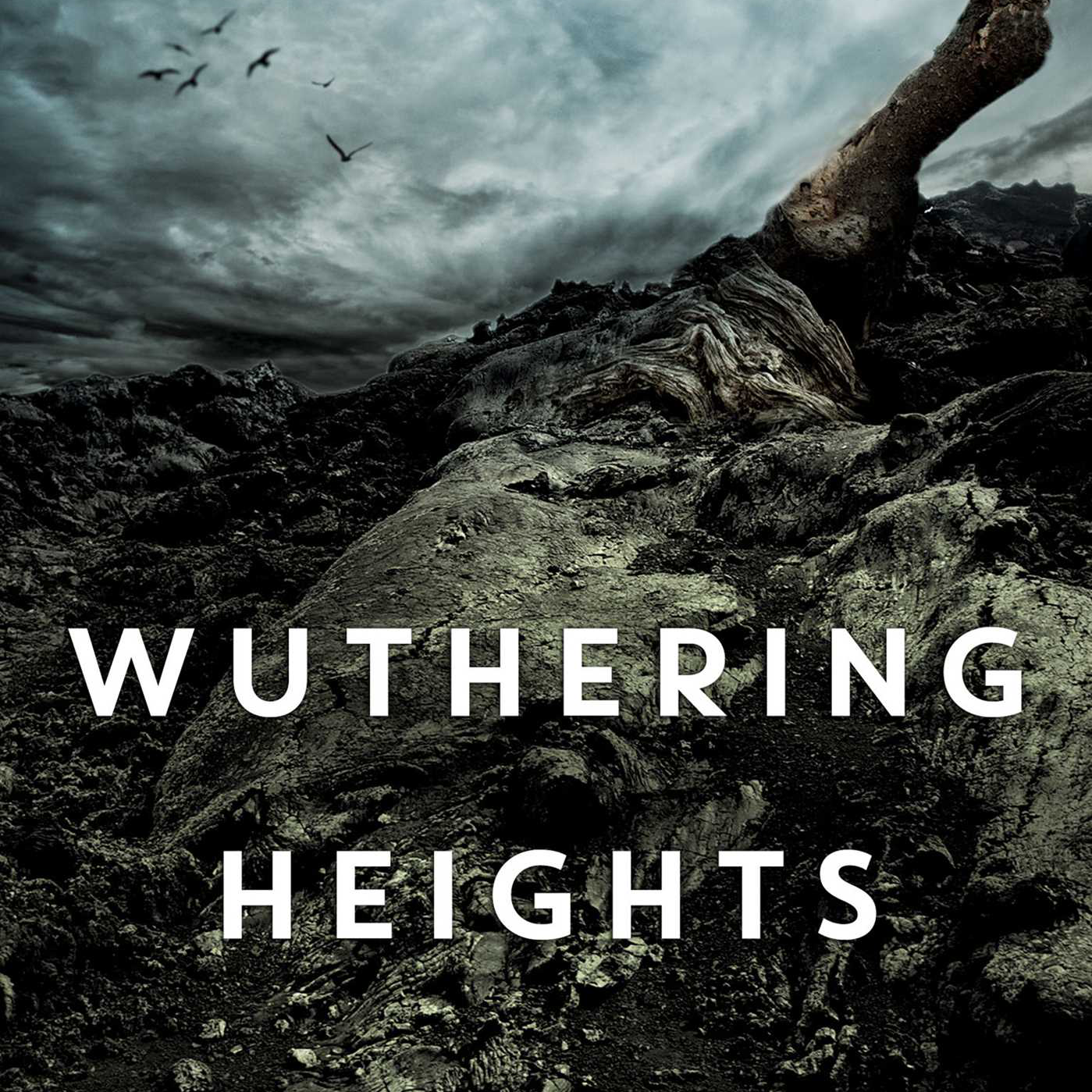
The setting further helps guide the narrative as well. Instead of the prim and proper English estates that Pride & Prejudice takes place in, Emily Brontë’s novel features the isolated, rugged Yorkshire moors located in Northern England — a perfect mirror of the characters’ minds and a setting that serves to build dread once the plot kicks in.
Admittedly, it took me a while to get into this story. It may have had something to do with my misunderstanding of the plot going in, but also the language used. Brontë unapologetically writes in her poetic prose pulling in archaic words and authentic Yorkshire dialect that tripped me up on more than one occasion, but it adds so much uniqueness to this novel that it wouldn’t be the same written by any other hand — perhaps couldn’t be.
Wuthering Heights is a story about how decisions can twist the fabric of our lives. It is about how our obsessions can take over and manifest in horrific ways if left untreated. It is a story about revenge and survival and, yes, a story about love, just not in the traditional sense which is odd coming from a novel written in 1845.
I guess that’s the funny thing about the human heart: no matter what era we live in or area we are from, the heart remains truly unpredictable — as wild as the moors themselves.
Leave a Reply